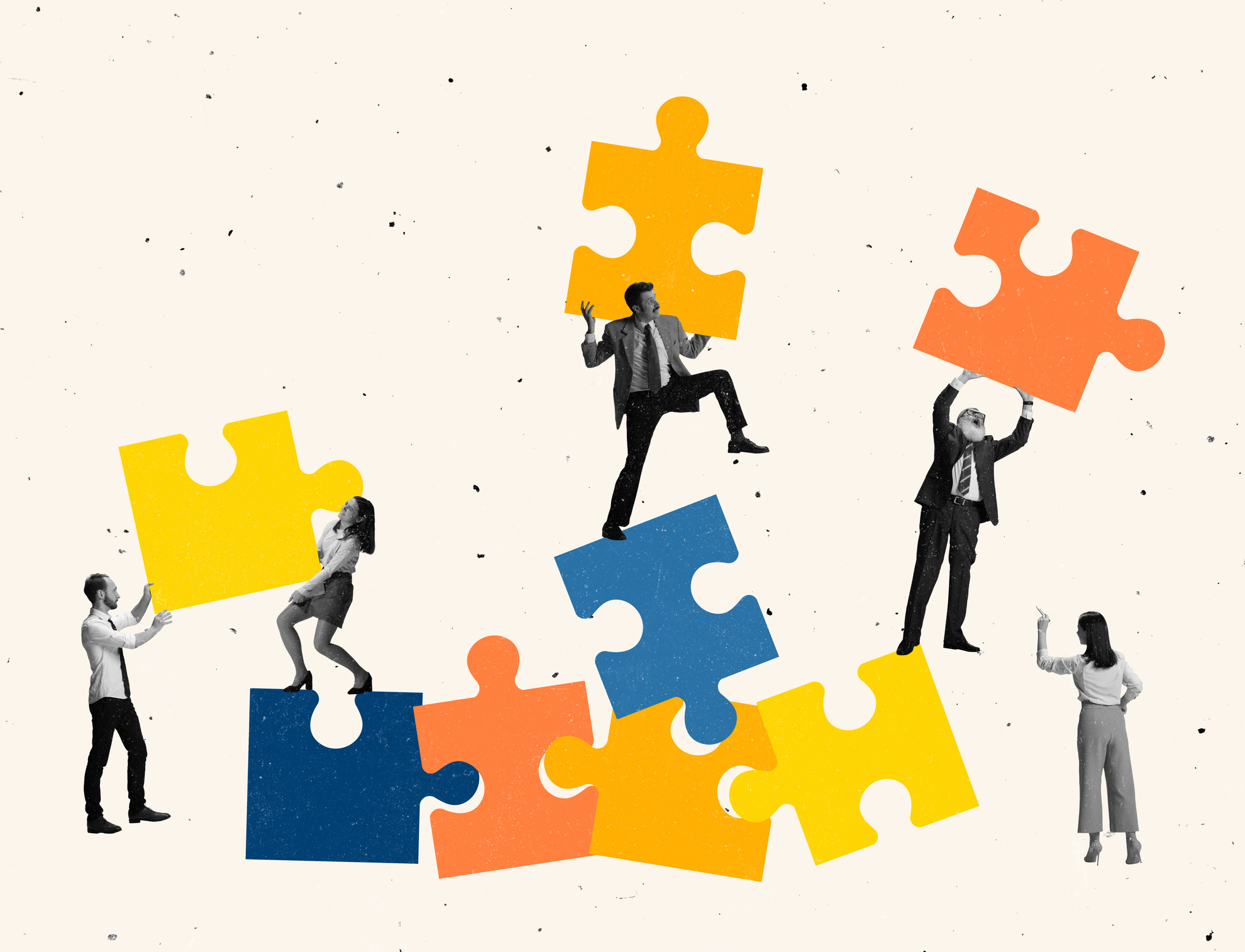
There’s something about being in a room together. Someone sketches an idea. Someone else builds on it. A comment from across the table sends the conversation in a completely different direction. Nobody scheduled the breakthrough. It just happened.
So when it comes to creative collaboration, it’s fair to ask: Can you really recreate that remotely? Our answer is no. But we’re not sure you need to.
Day 2 is a fully remote agency. We develop brands, campaigns, websites, videos and plenty of other creative work without sharing an office. We’ve learned that successful remote collaboration isn’t about trying to replicate the experience of everyone sitting around the same table. It’s about creating a different environment where good ideas can happen. And that takes some intention.
Make room for unfinished ideas.
Creative collaboration gets harder when every remote meeting becomes a presentation. If people only share ideas once they’re polished, you lose one of the most valuable parts of the creative process: letting other people help shape them. Share the rough sketch. Show the headline you’re not sure about. Talk through the idea that isn’t quite there yet.
Good collaboration often starts before something is ready.
Give people time to think.
This may be one of remote collaboration’s biggest advantages.
Traditional brainstorming can favor the quickest or loudest voice in the room. Remote work gives people more opportunities to absorb a problem, think independently and come back with an idea. That can lead to better work. Collaboration doesn’t always mean everyone thinking at the same time. Sometimes the best process is individual thinking followed by collective improvement.
Don’t let efficiency kill spontaneity.
Remote teams can become very efficient. That’s mostly a good thing.
But creative work needs a little inefficiency. It needs side conversations, unexpected questions and the occasional idea that has nothing to do with why the meeting was scheduled. You have to leave room for that. Sometimes that means staying on a call for another five minutes. Sometimes it means sending something you saw because it sparked an idea. Not every interaction needs an agenda.
Use the tools. Don’t let the tools become the process.
There are more ways than ever to collaborate remotely: video calls, shared documents, digital whiteboards, messaging platforms, project management systems and increasingly AI. They can all help. But no collaboration platform creates collaboration. Tools should make it easier to share, respond, explore and build on ideas. If managing the tool starts taking more energy than discussing the work, something has gone wrong.
The technology matters less than the behavior around it.
Accept what you lose. Pay attention to what you gain.
There are things we miss about working together in person. Remote work doesn’t perfectly recreate walking past someone’s desk and noticing what they’re working on. It doesn’t replace grabbing lunch together or gathering around a screen because someone suddenly has an idea. Those things matter.
But remote work gives us something, too. More uninterrupted time to think. More flexibility in how people contribute. The ability to build a team based on talent rather than geography. And a creative process that requires us to be more intentional about how we communicate with one another.
After working this way, we don’t think the question is whether remote teams can collaborate creatively. They can. The better question is whether you’ve built a culture that allows them to.
Because creativity doesn’t come from sharing an office. It comes from sharing ideas.
About the Author
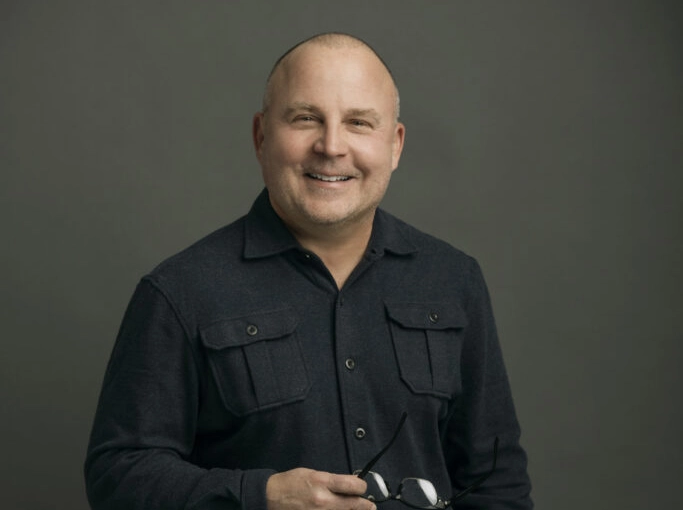
Shawn Solloway is the Chief Creative Officer at Day 2 Marketing, a full-service, data-driven marketing agency focused on helping businesses build stronger brands and drive measurable growth. With more than 30 years of experience in branding, advertising, creative strategy, and digital marketing, Shawn is passionate about developing bold, effective campaigns that connect with audiences and deliver lasting impact. At Day 2 Marketing, Shawn helps lead the agency’s creative vision, combining storytelling, design, and strategy to create marketing that is both meaningful and measurable. His commitment to authentic brand communication and innovative thinking continues to shape the agency’s work and client partnerships.