We should probably start by admitting something. We don’t have a formula for good creative. Nobody does. There are principles. Best practices. Decades of research. Award-winning case studies. And then somebody writes a corny jingle that gets stuck in everyone’s head for 20 years.
Advertising has a way of humbling anyone who thinks they’ve figured it out. So what actually makes creative good? It depends on what you mean by good.
Beautiful doesn’t always mean effective.
People in our industry love great creative. Smart concepts. Beautiful typography. Perfect photography. A tagline you wish you had written. There’s absolutely value in craft. We believe in it. But advertising isn’t hanging in a gallery. It has a job to do. Some genuinely brilliant campaigns haven’t produced the business results everyone hoped for. And some advertising that would never make a creative director’s portfolio has sold an enormous amount of stuff. That doesn’t mean craft doesn’t matter. It means craft isn’t the only thing that matters.
Results don’t settle the argument either.
This is where things get complicated. If an ad produces great results, does that automatically make it great creative? Maybe.
But what if the offer was irresistible? What if the media buy was exceptional? What if the brand already had tremendous awareness? What if the timing was perfect? Creative rarely operates in isolation. A successful campaign is usually the product of strategy, message, creative, media, timing, audience and offer all working together. Even the scoreboard needs some interpretation.
Sometimes annoying works.
We hate to say it. But it does. The jingle you wish would go away. The spokesperson who has been doing the same bit for 15 years. The tagline that nobody would describe as sophisticated. Sometimes those things work extraordinarily well.
Why?
Because you remember them. And being remembered is a pretty important job for advertising. We can debate whether something is clever, tasteful or creatively ambitious. The person who remembers the phone number three days later may not care. That can be painful for creative people to admit. But it’s also useful.
Following the rules can make you invisible.
There are plenty of advertising rules worth knowing. Keep it simple. Lead with the benefit. Make the logo bigger. Get to the point quickly. Show the product. Have one clear call to action. All reasonable advice. Until it isn’t.
Some of the best advertising works precisely because someone ignored what they were supposed to do. They barely showed the product. They made the audience work a little. They didn’t include a call to action. They were quiet when everyone else was loud. They made something that didn’t look much like advertising at all. Knowing the rules is valuable. Knowing when to break them might be more valuable.
Maybe “good” starts with being right.
Not right according to the creative department. Right for the problem. Right for the audience. Right for the brand. Right for the moment. Sometimes that calls for something beautifully restrained. Sometimes it calls for something emotional. Sometimes funny. Sometimes incredibly simple. And every once in a while, apparently, it calls for a jingle you can’t get out of your head. That’s part of what makes creative work interesting.
There isn’t one aesthetic, style or process that guarantees success. There isn’t a checklist that spits out a great campaign at the end. There shouldn’t be. Because if everyone followed the same formula for good creative, everything would eventually look and sound the same. And that would be pretty bad advertising. So, how do we define good creative?
We’re still working on it. Hopefully, we always will be.
About the Author
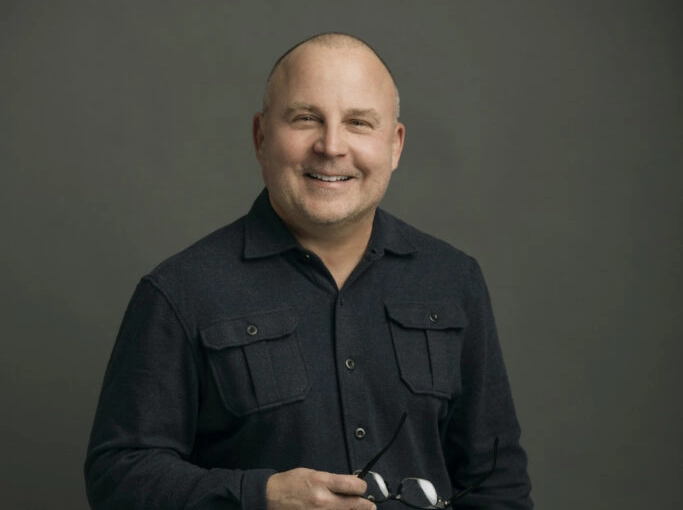
Shawn Solloway is the Chief Creative Officer at Day 2 Marketing, a full-service, data-driven marketing agency focused on helping businesses build stronger brands and drive measurable growth. With more than 30 years of experience in branding, advertising, creative strategy, and digital marketing, Shawn is passionate about developing bold, effective campaigns that connect with audiences and deliver lasting impact. At Day 2 Marketing, Shawn helps lead the agency’s creative vision, combining storytelling, design, and strategy to create marketing that is both meaningful and measurable. His commitment to authentic brand communication and innovative thinking continues to shape the agency’s work and client partnerships.