
There’s something about being in a room together. Someone sketches an idea. Someone else builds on it. A comment from across the table sends the conversation in a completely different direction. Nobody scheduled the breakthrough. It just happened.
So when it comes to creative collaboration, it’s fair to ask: Can you really recreate that remotely? Our answer is no. But we’re not sure you need to.
Day 2 is a fully remote agency. We develop brands, campaigns, websites, videos and plenty of other creative work without sharing an office. We’ve learned that successful remote collaboration isn’t about trying to replicate the experience of everyone sitting around the same table. It’s about creating a different environment where good ideas can happen. And that takes some intention.
Make room for unfinished ideas.
Creative collaboration gets harder when every remote meeting becomes a presentation. If people only share ideas once they’re polished, you lose one of the most valuable parts of the creative process: letting other people help shape them. Share the rough sketch. Show the headline you’re not sure about. Talk through the idea that isn’t quite there yet.
Good collaboration often starts before something is ready.
Give people time to think.
This may be one of remote collaboration’s biggest advantages.
Traditional brainstorming can favor the quickest or loudest voice in the room. Remote work gives people more opportunities to absorb a problem, think independently and come back with an idea. That can lead to better work. Collaboration doesn’t always mean everyone thinking at the same time. Sometimes the best process is individual thinking followed by collective improvement.
Don’t let efficiency kill spontaneity.
Remote teams can become very efficient. That’s mostly a good thing.
But creative work needs a little inefficiency. It needs side conversations, unexpected questions and the occasional idea that has nothing to do with why the meeting was scheduled. You have to leave room for that. Sometimes that means staying on a call for another five minutes. Sometimes it means sending something you saw because it sparked an idea. Not every interaction needs an agenda.
Use the tools. Don’t let the tools become the process.
There are more ways than ever to collaborate remotely: video calls, shared documents, digital whiteboards, messaging platforms, project management systems and increasingly AI. They can all help. But no collaboration platform creates collaboration. Tools should make it easier to share, respond, explore and build on ideas. If managing the tool starts taking more energy than discussing the work, something has gone wrong.
The technology matters less than the behavior around it.
Accept what you lose. Pay attention to what you gain.
There are things we miss about working together in person. Remote work doesn’t perfectly recreate walking past someone’s desk and noticing what they’re working on. It doesn’t replace grabbing lunch together or gathering around a screen because someone suddenly has an idea. Those things matter.
But remote work gives us something, too. More uninterrupted time to think. More flexibility in how people contribute. The ability to build a team based on talent rather than geography. And a creative process that requires us to be more intentional about how we communicate with one another.
After working this way, we don’t think the question is whether remote teams can collaborate creatively. They can. The better question is whether you’ve built a culture that allows them to.
Because creativity doesn’t come from sharing an office. It comes from sharing ideas.
About the Author
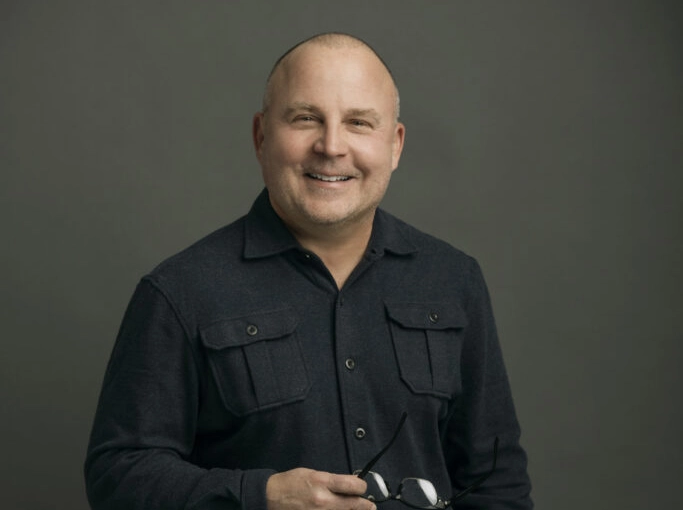
Shawn Solloway is the Chief Creative Officer at Day 2 Marketing, a full-service, data-driven marketing agency focused on helping businesses build stronger brands and drive measurable growth. With more than 30 years of experience in branding, advertising, creative strategy, and digital marketing, Shawn is passionate about developing bold, effective campaigns that connect with audiences and deliver lasting impact. At Day 2 Marketing, Shawn helps lead the agency’s creative vision, combining storytelling, design, and strategy to create marketing that is both meaningful and measurable. His commitment to authentic brand communication and innovative thinking continues to shape the agency’s work and client partnerships.
Imagine building the perfect race car. You hire the best engineers. You develop an incredible engine. You fine-tune every detail. Then you put bargain tires on it. The car still runs— but it will never perform the way it was designed to. Marketing works much the same way.
Strategy Gets You to the Starting Line
A strong marketing strategy answers important questions: Who are we trying to reach? What’s our unique value? What problem are we solving? Where should we reach our audience?
Those decisions are critical. But strategy alone doesn’t persuade people. Creative does.
Creative Is How People Experience Your Message
The design, photography, video, writing, animation, and overall presentation are what your audience actually sees. They’re what capture attention. They’re what create emotion.
They’re what make someone stop scrolling, keep reading, or remember your company later.
If the creative feels generic, your audience often assumes your company is too.
“Good Enough” Has a Cost
Many organizations settle for average creative because it feels practical.
“It gets the point across.”
“We can always improve it later.”
“No one will notice.”
The truth is, people notice more than we think. Every day, your audience is comparing your brand, not just against your competitors, but against every polished experience they encounter.
When your creative blends in, your message becomes easier to ignore.
Don’t Be Flashy Just to Be Flashy
High-quality creative isn’t about winning awards or adding unnecessary effects. It’s about making your strategy impossible to overlook. The best creative makes complex ideas easier to understand. It communicates confidence. It builds credibility. Most importantly, it helps people remember your message long after they’ve seen it.
Strategy and Creative Are Partners
Think of strategy as deciding what story needs to be told. Creative is how you tell it.
One without the other rarely reaches its full potential. You can have brilliant creative attached to a weak strategy and miss the mark. Or you can have an outstanding strategy wrapped in average creative— and never capture the attention it deserves. The strongest marketing happens when thoughtful strategy and exceptional creative work together.
The Bottom Line
Your marketing investment deserves more than simply making it to market. It deserves to make an impact. At Day 2, we believe strategy gives marketing direction, but creative gives it influence. When both work together, your message doesn’t just reach people; it moves them.
About the Author
Shawn Solloway is the Chief Creative Officer at Day 2 Marketing, a full-service, data-driven marketing agency focused on helping businesses build stronger brands and drive measurable growth. With more than 30 years of experience in branding, advertising, creative strategy, and digital marketing, Shawn is passionate about developing bold, effective campaigns that connect with audiences and deliver lasting impact. At Day 2 Marketing, Shawn helps lead the agency’s creative vision, combining storytelling, design, and strategy to create marketing that is both meaningful and measurable. His commitment to authentic brand communication and innovative thinking continues to shape the agency’s work and client partnerships.
When people hear the word branding, they often think of a logo, colors, fonts, or maybe a catchy tagline. Those things matter— but they’re not your brand.
Your brand is the expectation people develop every time they interact with your company.
It’s the promise you make, and more importantly, the promise you consistently keep.
Think about your favorite local restaurant. You don’t return because the logo looks great. You return because you know what to expect. The food, the service, the atmosphere, the experience— they all consistently deliver on the same promise. That’s branding.
Your Brand Lives in Every Interaction
Many organizations spend months creating a new visual identity only to stop there. They unveil a new logo, update the website, print new business cards, and call the project complete.
In reality, the work has just begun.
Your brand is reinforced, or weakened, every time someone:
- Visits your website
- Calls your office
- Receives an email
- Meets one of your employees
- Sees a social media post
- Walks into your facility
- Opens a proposal
- Uses your product or service
Every touchpoint either strengthens trust or creates doubt.
Consistency Creates Confidence
Imagine a company that promises innovation but has an outdated website, confusing messaging, and inconsistent customer service. Now imagine another company with a simple promise that’s reflected everywhere— from its marketing to its employees to its customer experience. Which one feels more trustworthy? People trust consistency. When every interaction reinforces the same message, customers begin to believe your promise because they’ve experienced it themselves.
Branding Is a Business Strategy
The strongest brands aren’t built by saying they’re different. They’re built by consistently proving it. That’s why branding isn’t just a marketing exercise. It’s a business discipline. Every department, every employee, and every customer interaction contributes to the perception of your brand. When your visual identity, messaging, customer experience, and culture all tell the same story, your marketing becomes more believable— and far more effective.
The Bottom Line
A logo helps people recognize your business. A strong brand gives them a reason to choose it.
At Day 2, we believe branding isn’t about looking better. It’s about creating a clear, meaningful promise and making sure every customer touchpoint consistently delivers on it. Because when your brand promise and your customer experience align, trust grows. And trust is one of the most valuable assets any business can build.
About the Author
Shawn Solloway is the Chief Creative Officer at Day 2 Marketing, a full-service, data-driven marketing agency focused on helping businesses build stronger brands and drive measurable growth. With more than 30 years of experience in branding, advertising, creative strategy, and digital marketing, Shawn is passionate about developing bold, effective campaigns that connect with audiences and deliver lasting impact. At Day 2 Marketing, Shawn helps lead the agency’s creative vision, combining storytelling, design, and strategy to create marketing that is both meaningful and measurable. His commitment to authentic brand communication and innovative thinking continues to shape the agency’s work and client partnerships.